Call: 07971550540
 Send Inquiry
Polypropylene Rope
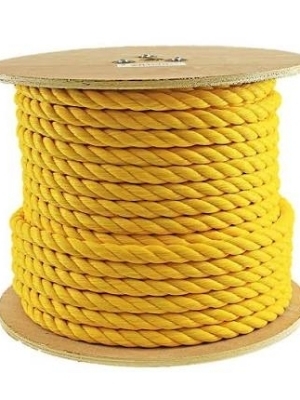

Polypropylene Rope Specification
- Size
- Standard
- Usage & Applications
- Industrial
- Automatic Grade
- No
- Usage
- Industrial
- Color
- Yellow
Polypropylene Rope Trade Information
- Minimum Order Quantity
- 10 Kilograms
- Supply Ability
- 100 Kilograms Per Day
- Delivery Time
- 1 Days
About Polypropylene Rope
Polypropylene (PP) rope is a strong, lightweight, and cost-effective synthetic rope known for its excellent resistance to moisture, chemicals, and UV rays. It floats on water, making it ideal for marine, boating, fishing, and general outdoor use. Its durability and flexibility make it suitable for various industrial and domestic applications.What Sets Polypropylene Rope Apart?
Polypropylene rope stands out due to its remarkable resistance to abrasion, chemicals, and moisture, which ensures longevity even in tough industrial environments. Its lightweight nature also facilitates easy handling and transport, making it ideal for various uses without compromising strength or flexibility.
Common Industrial Applications
This rope is a staple in industries such as shipping, warehousing, construction, and agriculture. Its utility spans tasks like securing cargo, bundling materials, supporting structures, and more. The standard sizes offered ensure adaptability to different operational needs, while yellow color enhances visibility and safety.
FAQs of Polypropylene Rope:
Q: How is polypropylene rope used in industrial settings?
A: Polypropylene rope is commonly employed for tying, lifting, securing, and bundling tasks in industrial environments. Its resistance to water and chemicals makes it particularly useful in outdoor or harsh conditions where durability is essential.Q: What are the benefits of choosing polypropylene rope over other materials?
A: Polypropylene rope is lighter and more cost-effective than many alternative materials, such as nylon or polyester. It offers excellent resistance to rot, mildew, and most chemicals, ensuring extended service life in a wide range of industrial applications.Q: Where can polypropylene rope be sourced in India?
A: Businesses can procure polypropylene rope through reputable suppliers and traders across India. Many industrial suppliers maintain a ready stock of standard sized yellow polypropylene ropes suitable for various industrial requirements.Q: When should polypropylene rope be replaced or inspected?
A: Regular inspection is advised, especially before each use. If there are visible signs of fraying, abrasion, or structural compromise, replacement is recommended to ensure safety and reliable performance in industrial tasks.Q: What is the typical process of using polypropylene rope in material handling?
A: The rope is manually operated, as it does not have an automatic grade. Workers cut the rope to desired lengths, tie it securely, and utilize it for bundling or hoisting materials, taking advantage of its lightweight yet strong composition.Q: In what ways does the yellow color of polypropylene rope enhance industrial operations?
A: The bright yellow color increases visibility, reducing accident risks in busy industrial areas. This vibrant hue makes it easier to spot the rope, improving safety protocols during handling, storage, and transportation activities.Tell us about your requirement

Price:
Quantity
Select Unit
- 50
- 100
- 200
- 250
- 500
- 1000+
Additional detail
Mobile number
Email

More Products in Lifting Equipment Category
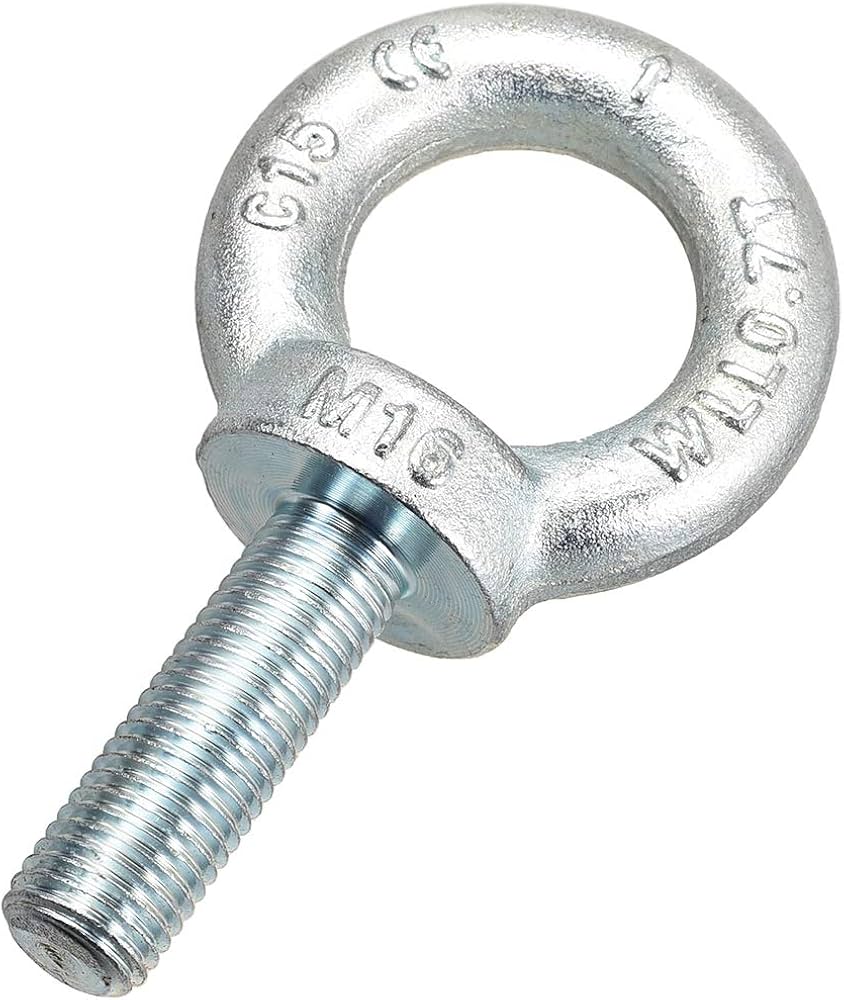
Eye Bolt
Price 50.0 INR / Piece
Minimum Order Quantity : 100 Pieces
Size : M6 to M48
Capacity : 300 kg to 3200 kg depending on size
Material : Mild Steel
Surface Treatment : Zinc Plated / Hot Dip Galvanized
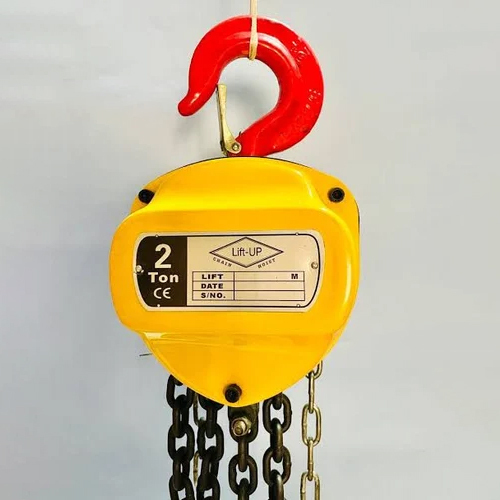
Chain Pulley Block
Price 5100 INR / Piece
Minimum Order Quantity : 1 Piece
Size : 3 Mtr
Capacity : 1 Ton
Material : Mild Steel
Surface Treatment : Powder Coated
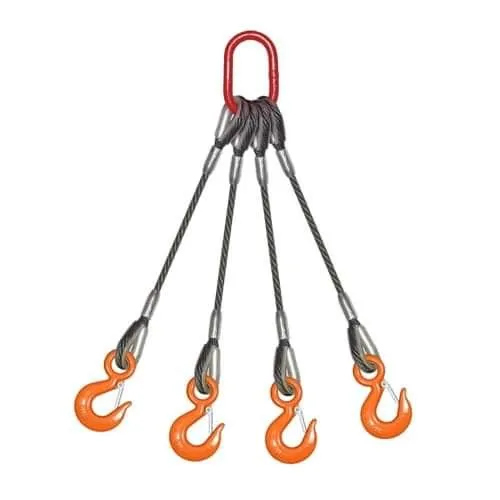
G80 Sling Hook
Price 150 INR / Piece
Minimum Order Quantity : 2 Pieces
Size : Standard
Capacity : 1 to 5 Ton
Material : Mild Steel
Surface Treatment : Polished
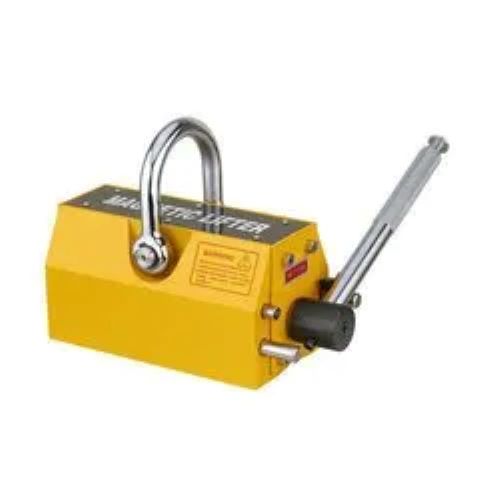
Permanent Magnetic Lifter
Price 7100.0 INR / Unit
Minimum Order Quantity : 1 Unit
Size : Varies (commonly available in models with different lifting capacities and sizes)
Capacity : 100 kg to 6000 kg (varies by model)
Material : Highgrade steel with powerful permanent magnets
Surface Treatment : Powdercoated/painted for corrosion resistance

Contact Details
Usha Marketing
GST : 33AAGFU8442G1Z3
- 180-A, NSP Complex, Dr. Nanjappa Road,Coimbatore - 641018, Tamil Nadu, India
- Phone :07971550540
 Send Inquiry
Developed and Managed by Infocom Network Private Limited.
